January 21 Patent of the Day

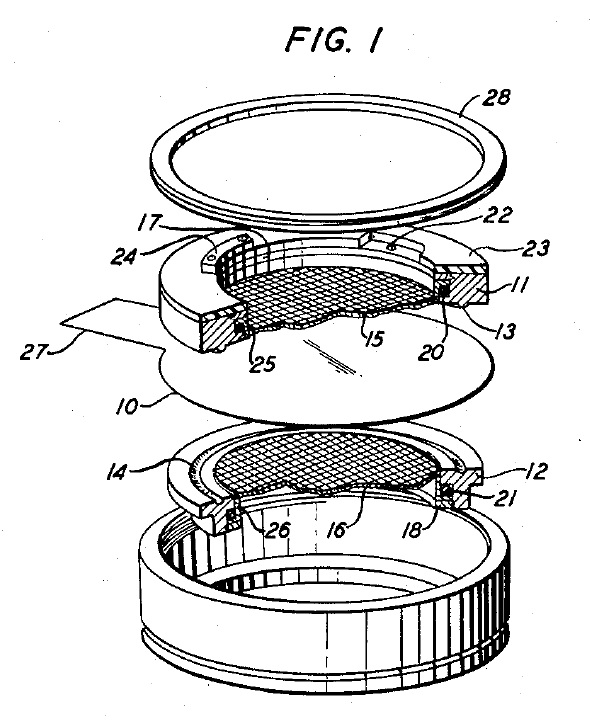
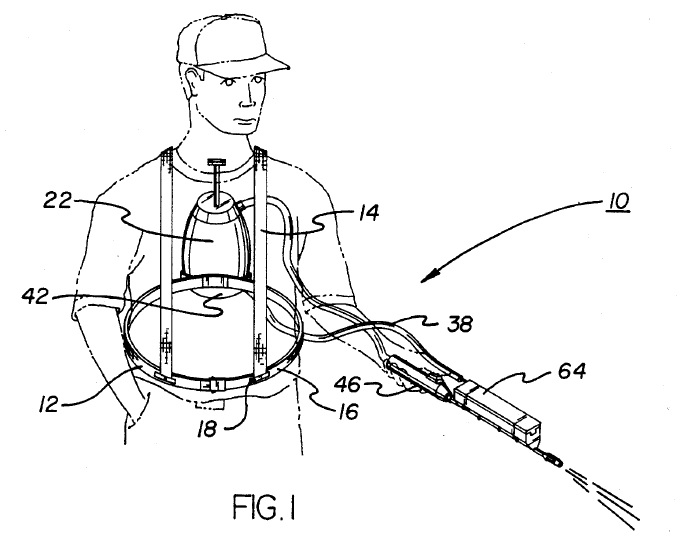
Recognizing the snow storms across the country this week, the patent of the day is U.S. Patent No. 5,595,343, issued to George Marhelko on January 21, 1997 in a snow coloring device:
20160121

The invention addresses the “continuing need for new and improved snow coloring device which can be used for allowing children or adults to paint snow in a variety of colors.”  The availability of Mr. Marhelko’s invention notwithstanding, it is still a good idea to not eat yellow snow.
 

January 18 Patent of the Day

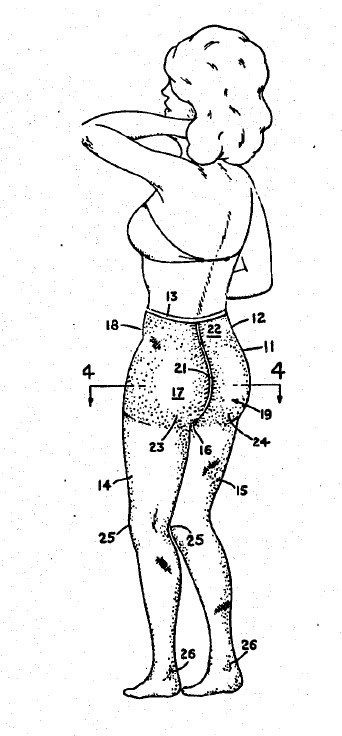
On January 18, 1977, actress Julie Newmar received U.S. Patent No. 4,003,094 on Pantyhose with Shaping Band for Cheeky Derrier Relief.

20160118

The pantyhose were sold for a while under the name “Nudemar.”  Julie received an earlier patent (U.S. Patent No. 3914799) on the panty hose, and another patent (U.S. Patent No. 3935865) on a brassiere.  Go Catwoman!


January 17 Patent of the Day

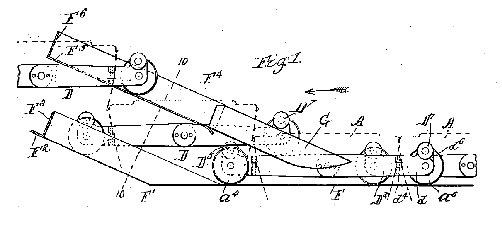
On January 17, 1899, U.S. Patent No. 617,778. issued to Charles D. Seeberger on an  escalator.

20160117Seeberger did not actually invent “the” escalator, as there were several earlier patents, including to Souder U.S. Patent No. 406,314 in 1889 (which was never built), to Reno U.S. Patent No. 470918 in 1892, and Wheeler U.S. Patent No. 479864 in 1892 (which was never built).  Seeberger bought Wheeler’s patent, teamed with Otis, and in 1899 produced the first commercial escalator, which won the first prize at the Paris 1900 Exposition Universelle in France.

January 16 Patent of the Day

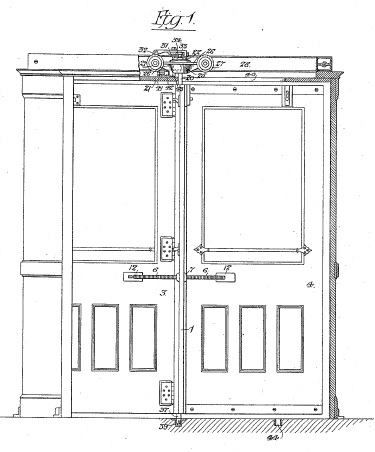
On January 16, 1900, Theophilus Van Kannel received U.S. Patent No. 641,563 on the revolving door.

20160116

Actually there had been revolving doors before, including those shown in Van Kannel’s earlier U.S. Patent Nos. 387,571, 588,620, and 588,888, but his improvement was to allow the door to be collapsed “when direct ingress or egress is desired.”  For his work Van Kannel was inducted into the National Inventors Hall of Fame in 2007.


January 15 Patent of the Day

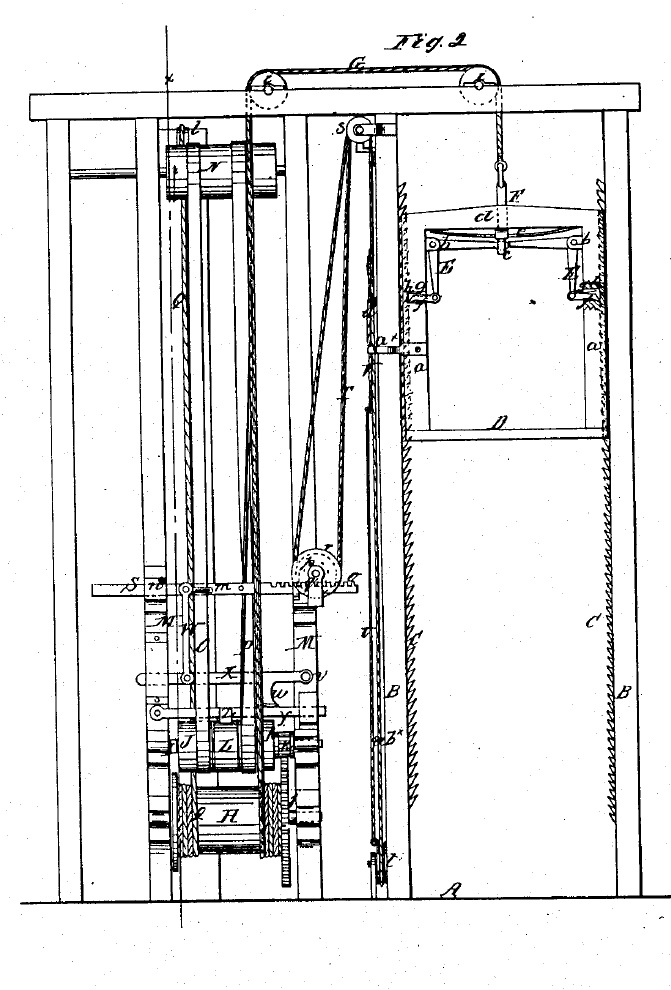
On January 15, 1861, Elisha Graves Otis received U.S. Patent No. 31,128 on a Hoisting Apparatus (an elevator, to non patent attorneys).

20160115

His achievement was not so much the lifting people and things — this had been done for some time — but providing a brake so that if the rope snapped, the passengers wouldn’t plunge to their deaths (ironic for a man whose middle name was Graves).


January 13 Patent of the Day

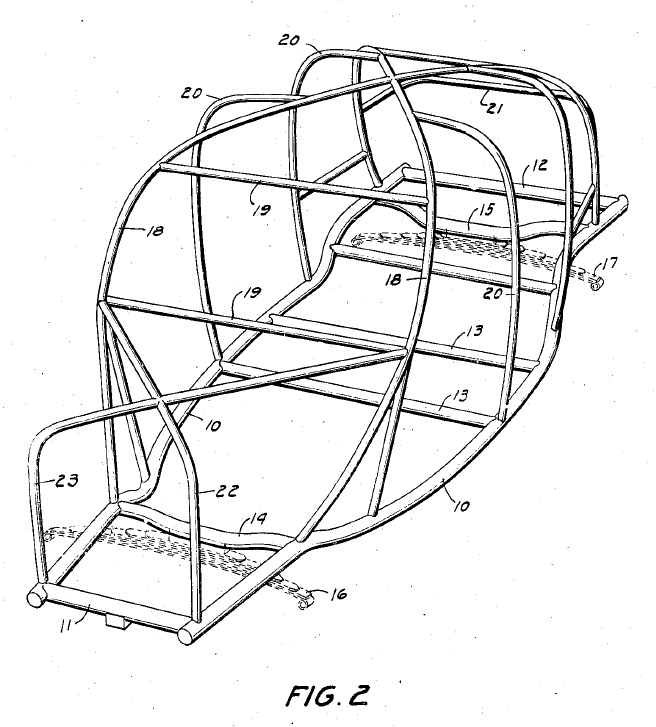
On January 13, 1943, Henry Ford was granted U.S. Patent Nos. 2,269,451 and 2,269,452 on the construction of a plastic automobile.

20160113

Ford hoped to make automobiles from renewable agricultural plastic panels of soybean and hemp, developed by George Washington Carver.  World War II brought automobile production to a halt, and after the war interest in the car waned.

January 12

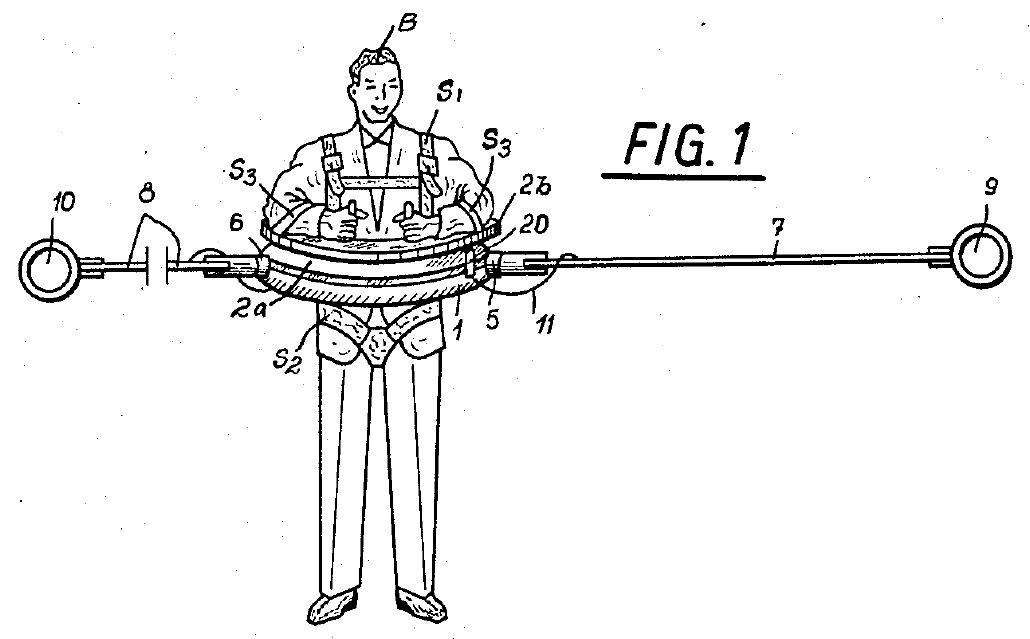
On January 12, 1960, Arnold Junker, was issued U.S. Patent No. 2,920,841 on a Helicopter with Body Attaching Means.

20160112

Perhaps the most remarkable thing about the patent is how happy the test subject looks facing certain doom.

January 11

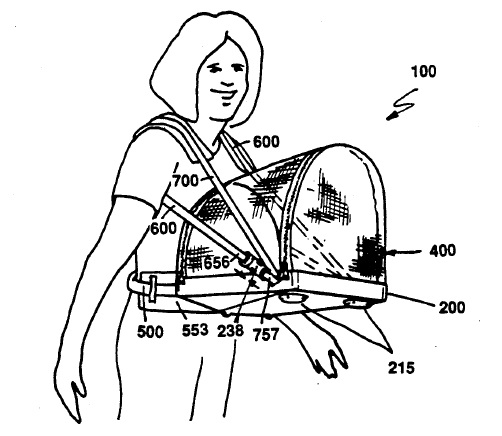
On January 11, 1994, Elaine Rossignol and Michael Kominsky obtained U.S. Patent No. 5,277,148 on the Wearable Pet Enclosure.  This was significant because it allowed crazy cat people to become mobile.

20160111

January 10

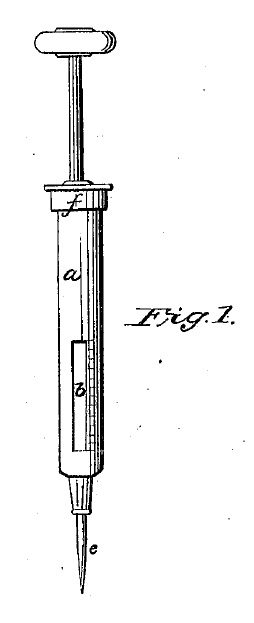
On January 10, 1843, Charles T. Sage obtained U.S. Patent No. 2,906 on a syringe, much to the chagrin of enetophobics everywhere.  Sage used the syringe to cure hernias, which is even scarier.

20160110