It’s Presidents Day, and while the USPTO is closed for the occasion, here is a look a few instances where presidents were honored in the records of the USPTO:
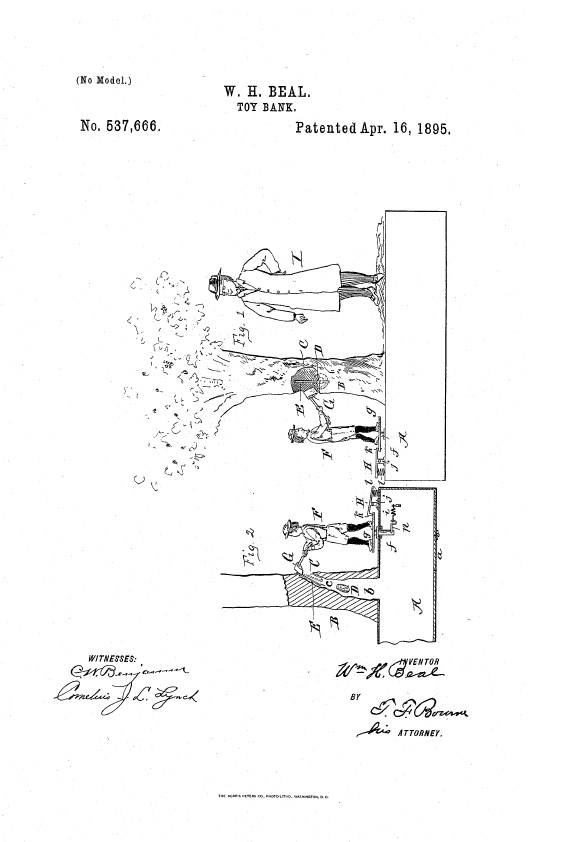
U.S. Patent No. D537666 covered a toy bank that celebrated the apocryphal story of George Washington and the cherry Tree:
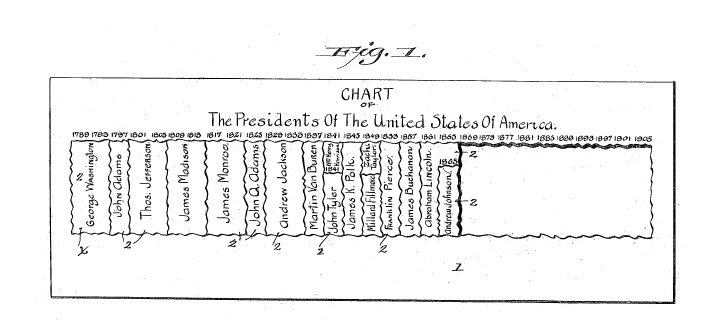
The presents have been remembered in a chart puzzle show in U.S. Patent No. 1148885:
Americans are big fans of George Washington, and in U.S. Patent No. D9138, George Washington was a big fan for the people:
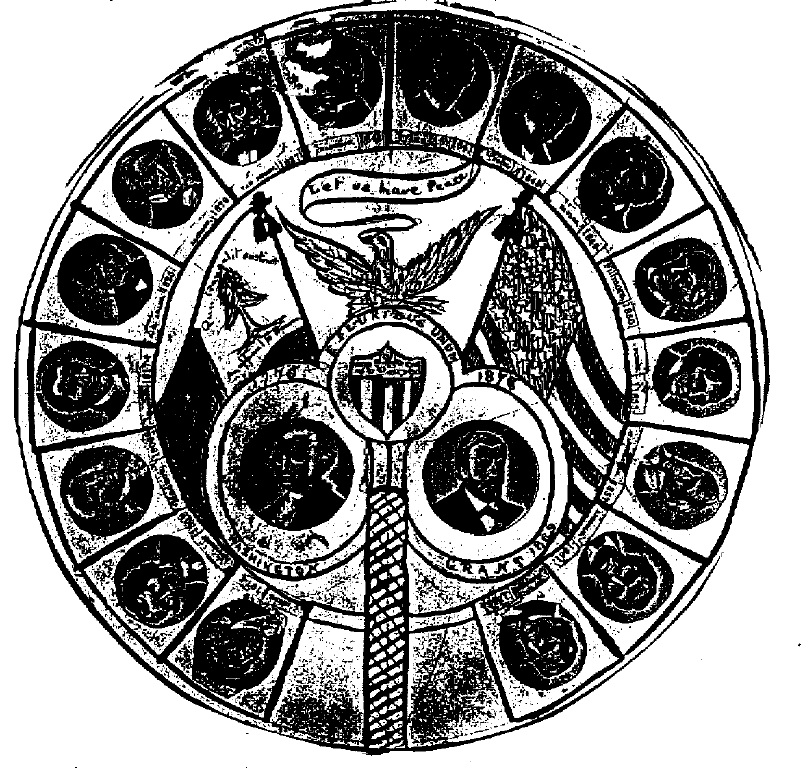
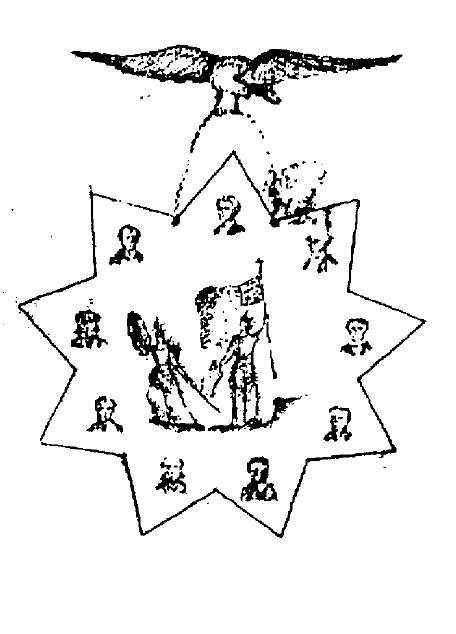
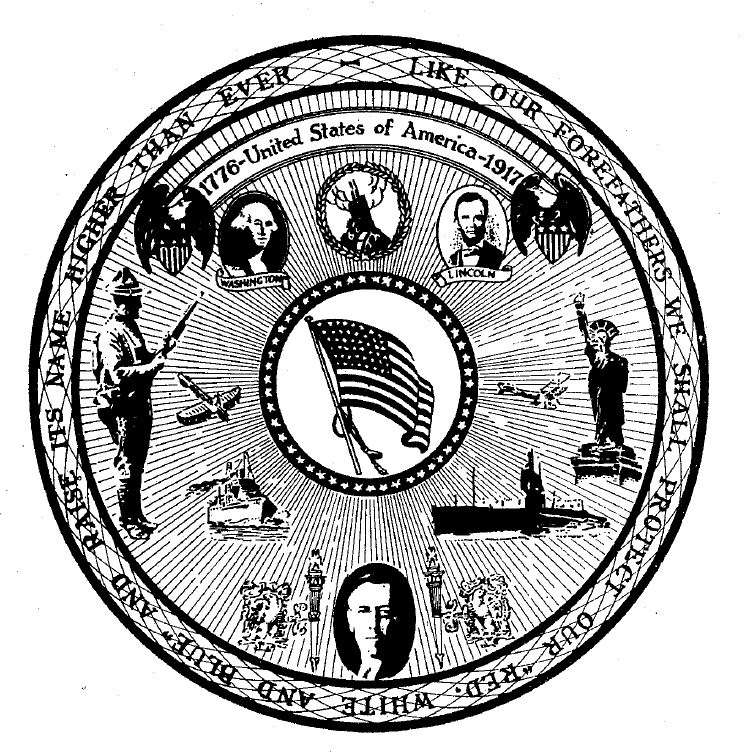
Commemorative medals and badges were apparent a “thing” and several design patents, including D8000 and D51046:
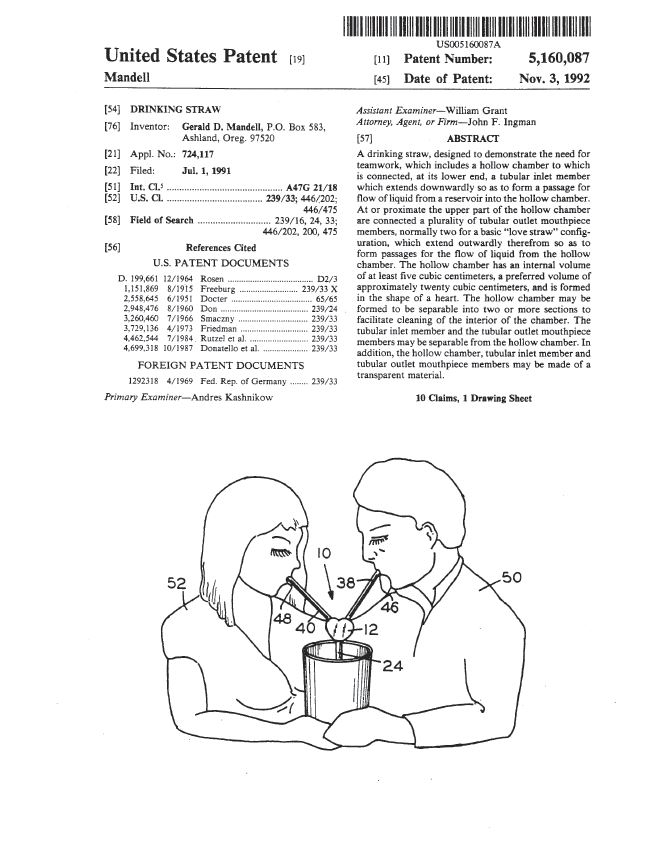
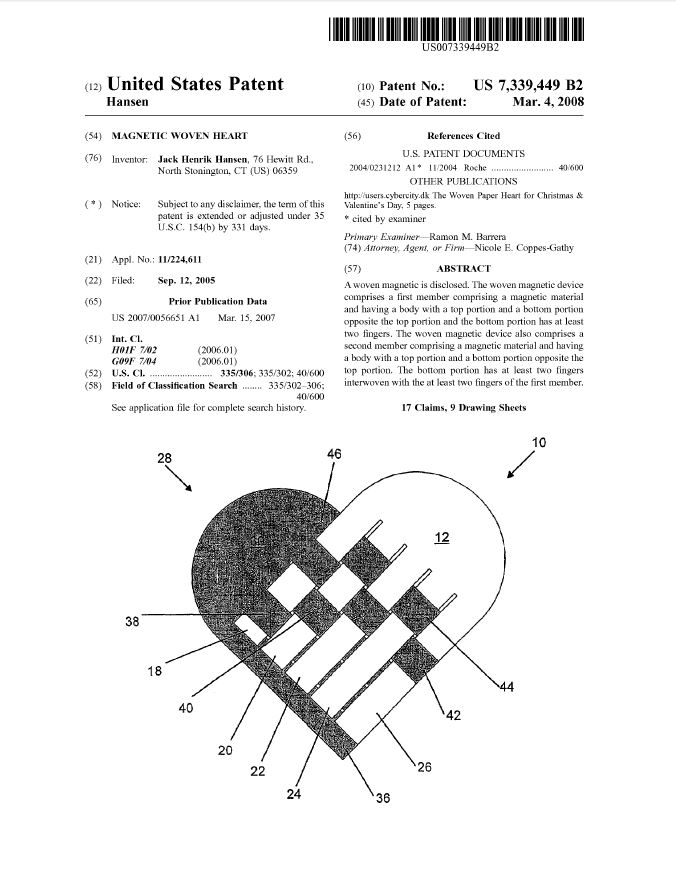
Happy Valentine’s Day! Here is a tribute to the inventors who make Valentine’s Day, and every day better for society.
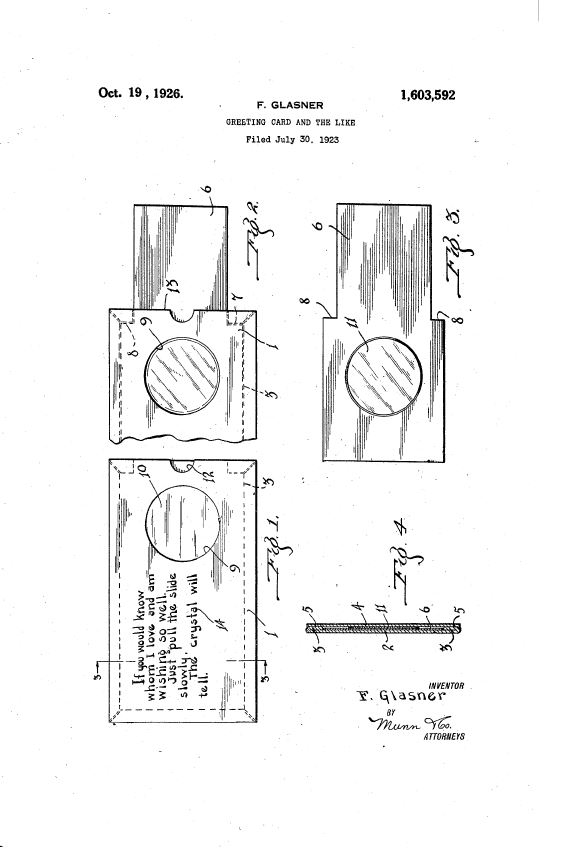
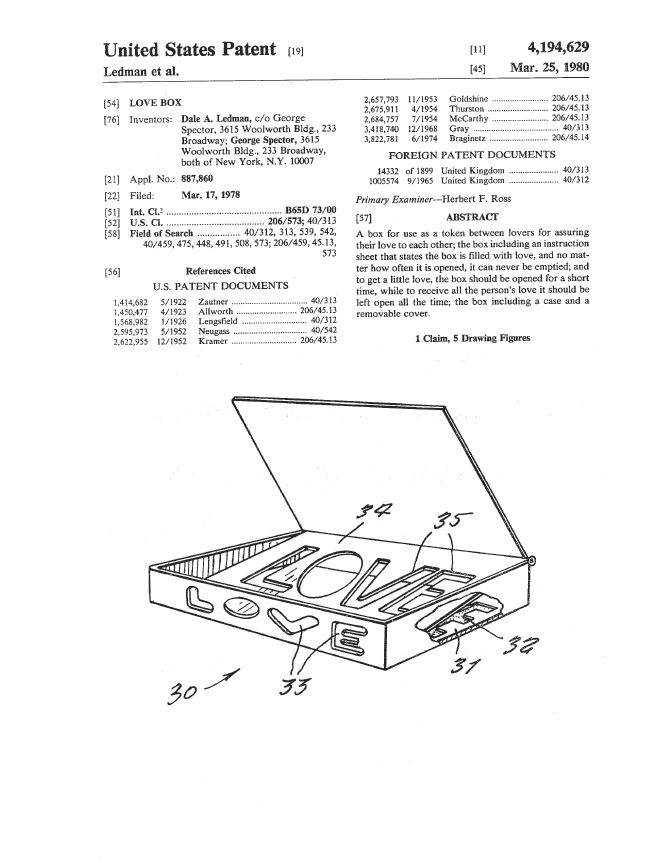
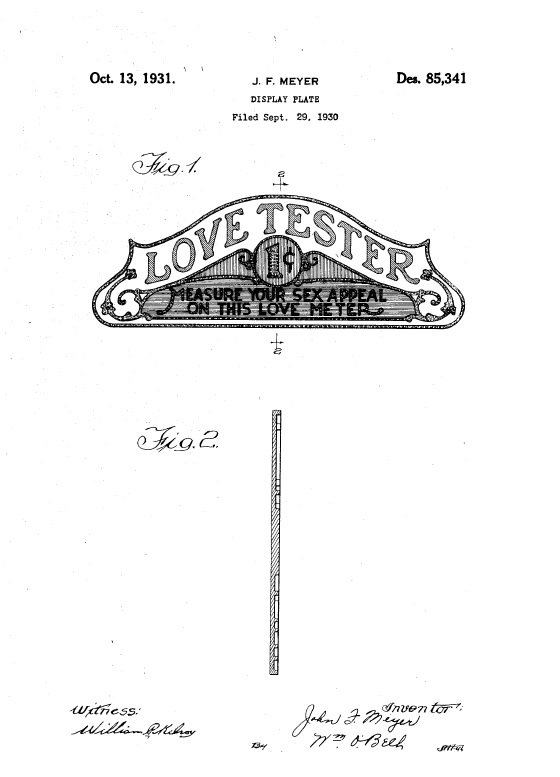
Saturday is Groundhog Day, but despite having their own day, it seems that groundhogs have been largely ignored by inventors. Groundhogs are referenced in the claims of only four patents, and mentioned in only 106 U.S. patents (since 1976).
However there is a prominent piece of technology associated with Groundhog Day — familiar to horopalettologists (look it up):
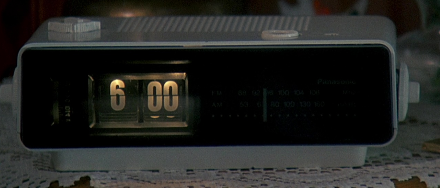
the iconic flip clock — the Panasonic RC-6025 clock radio that restart’s Phil Conner’s day in the classic movie Groundhog Day. Split-flap flip clock displays (or leaf-type digital displays) were first patented in 1965:
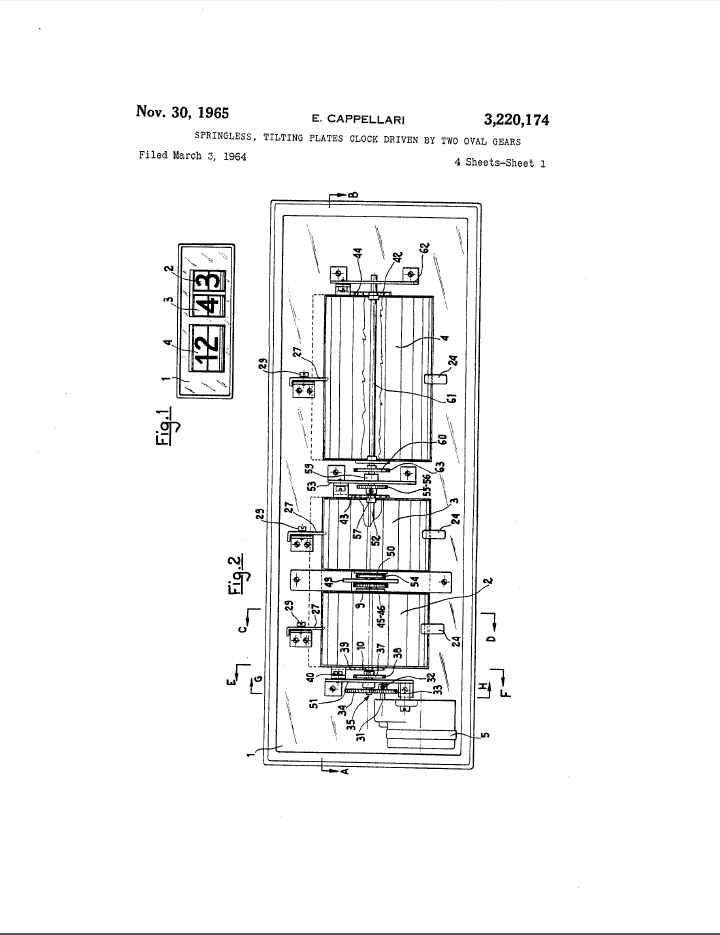
While briefly popular, these displays were soon supplanted by LCD and then LED displays. However they still have a small but dedicated following, and vintage flip clocks, like the RC-6025, can sell for hundreds of dollars on eBay.

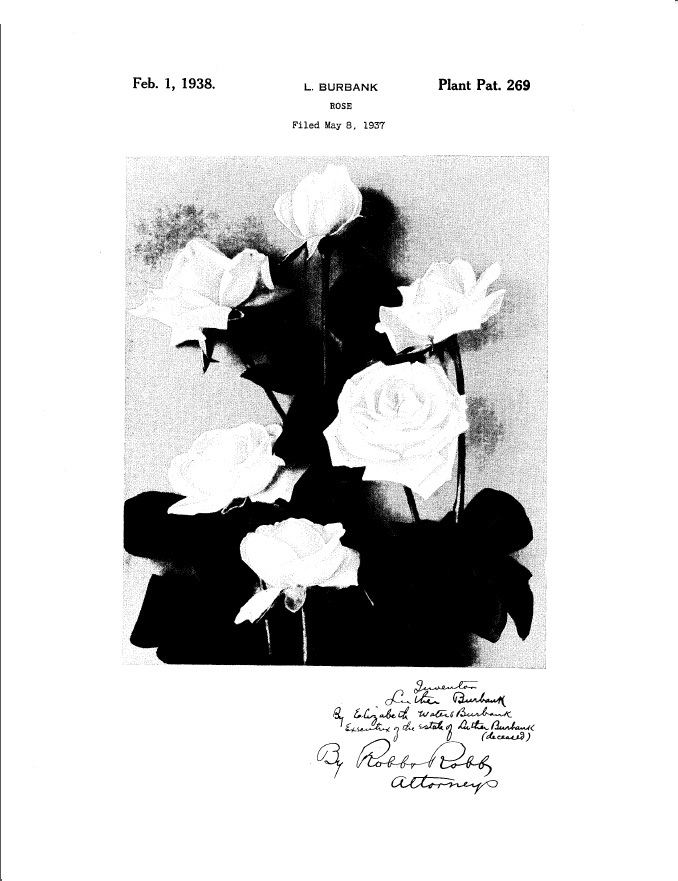
On February 1, 1938, U.S. Patent P269 issued to Luther Burbank on a Rose:
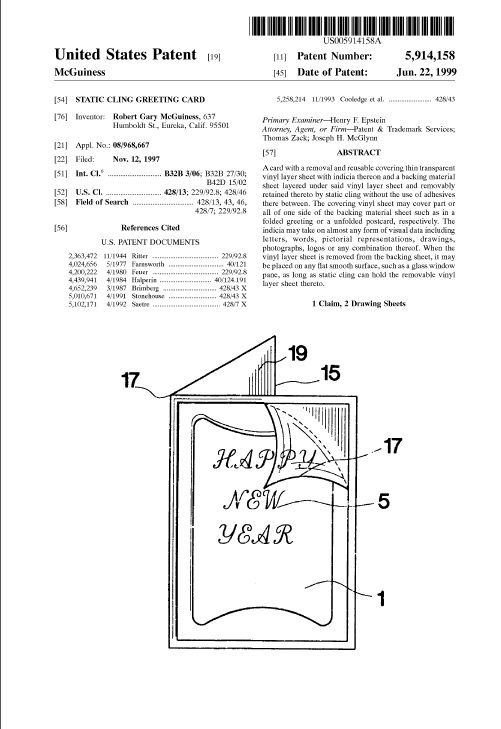
Best wishes from everyone at Harness, Dickey for a Happy and Prosperous 2019.
On December 31, 1935, Charles B. Darrow obtained U.S. Patent No. 2,026,082 on Board Game Apparatus, protecting the game Monopoly.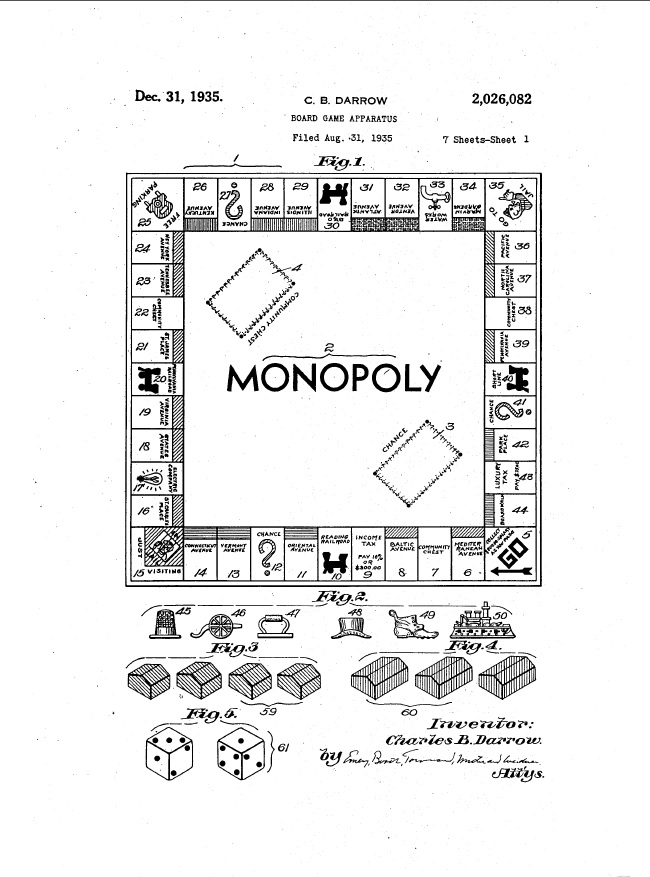 Happy New Year!
Patents can be an interesting window into the past. For example on December 14, 1937, U.S. Patent No. D107425 issued to Wallace K. Harrison and J. Andre Fouilhoux on a model of an architectural unit.
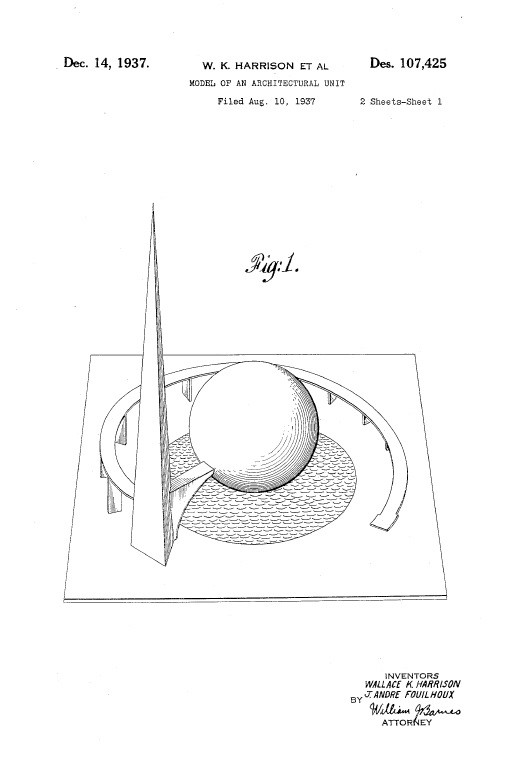
The design is of the Trylon, Perisphere, and Helicline that became the central symbol of the 1939 New York World’s Fair, reproduced by the millions on a wide range of promotional materials. and serving as the fairground’s focal point. The structures were razed and scrapped after the closing of the fair, and their materials repurposed into World War II armaments, but the image and the optimism for the future they were intended to convey, persist in the records of the USPTO.
So July 6 is National Fried Chicken Day. Who decides such things? Apparently no one, or perhaps more accurately anyone. However, the people of National Day Calendar are happy to endorse your declaration and put it on their calendar, if you need outside validation.
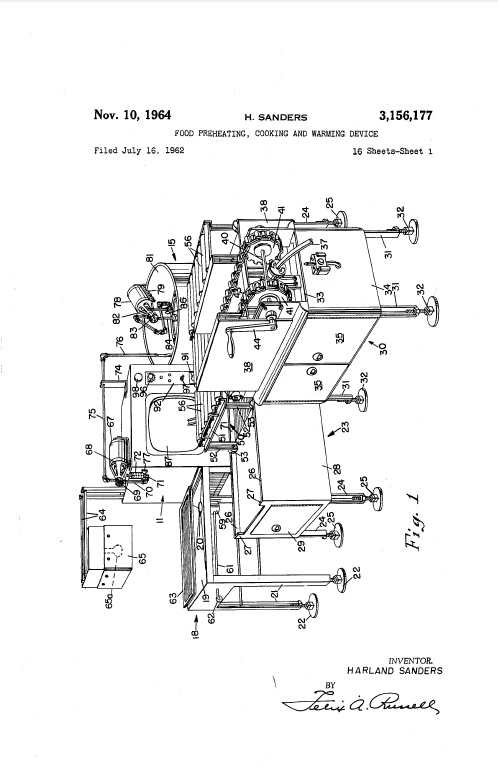
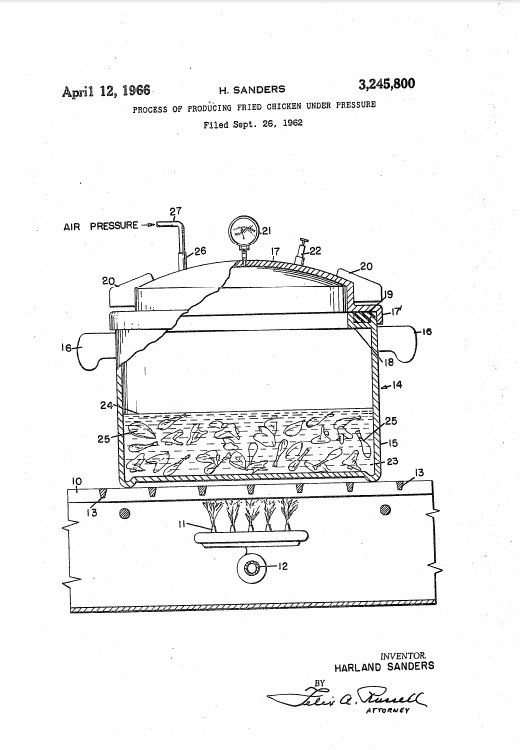
Assuming the bona fides of National Fried Chicken Day, a patent lawyer’s mind turns to Colonel Harland Sanders, who obtained two patents on his methods and apparatus for preparing fried chicken: U.S. Patent No. 3,1 56,177 on Food Preheating, Cooking and Warming Device:
 and U.S. Patent No. 3245800 on Process of Producing Fried Chicken Under Pressure:
These are not just the patents of the day, but the patents of National Fried Chicken Day.
Patented technology can improve the most mundane aspects of life and on July 4 we recognize some patents that inject an element of patriotism into our daily routine. U.S. Patent No. D478,404 protects an American Patriotic Candy Cane: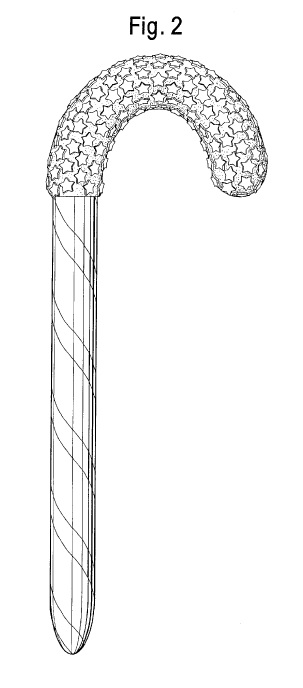
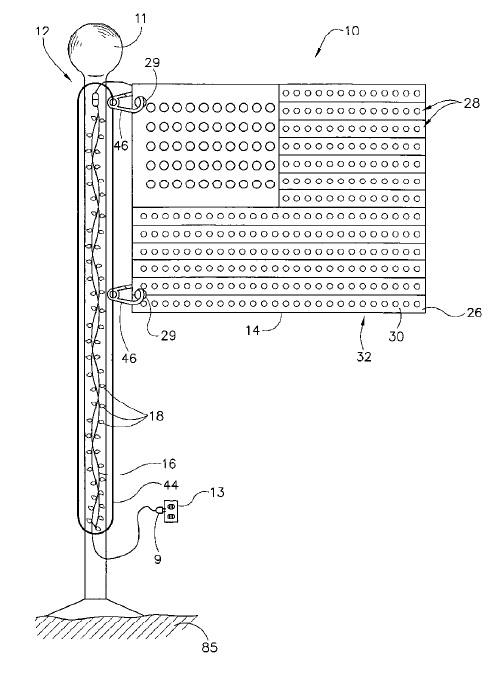
U.S. Patent No. 7192168 protects a lighting display:
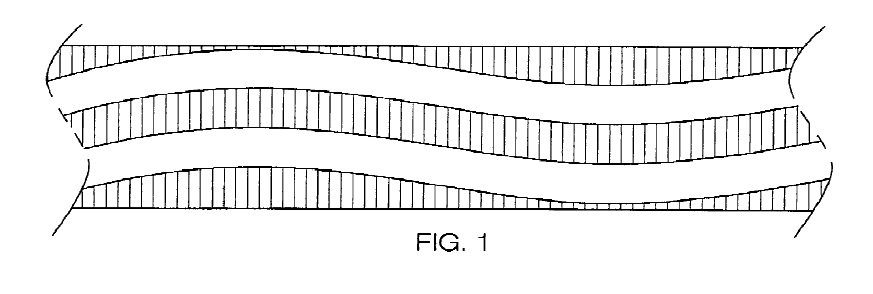
U.S. Patent No. D513768 protects Patriotic Themed Duct Tape:
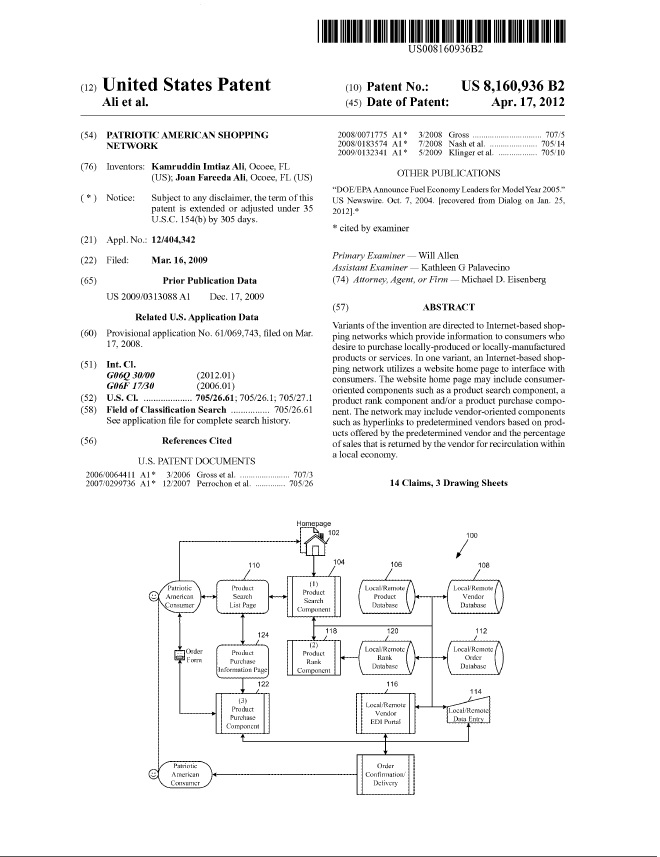
U.S. Patent No. 8160936 protects a Patriotic American Shopping Network:
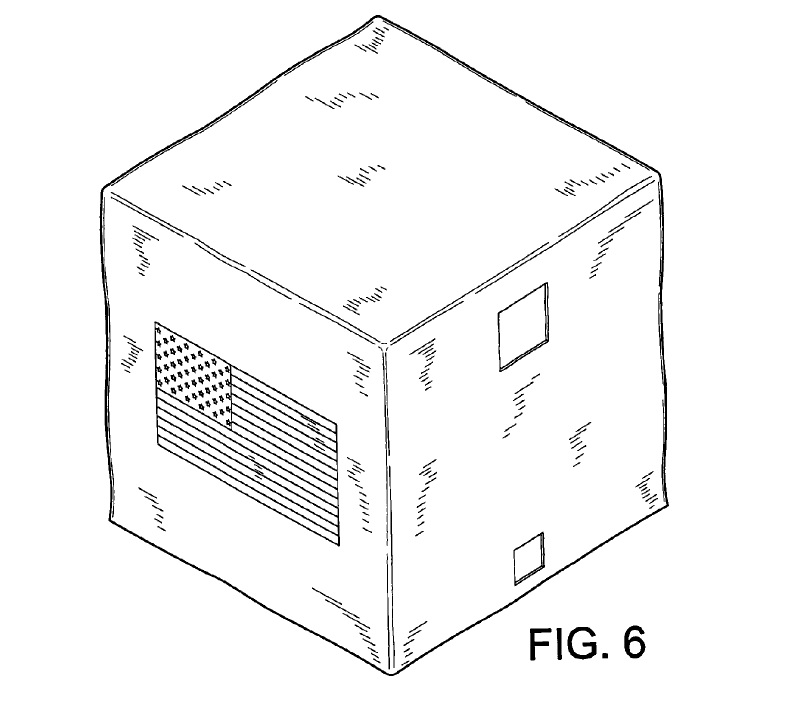
Finally, U.S. Patent No. D572517 protects a Patriotic Air Conditioner Cover:
Have a happy and safe Fourth of July!